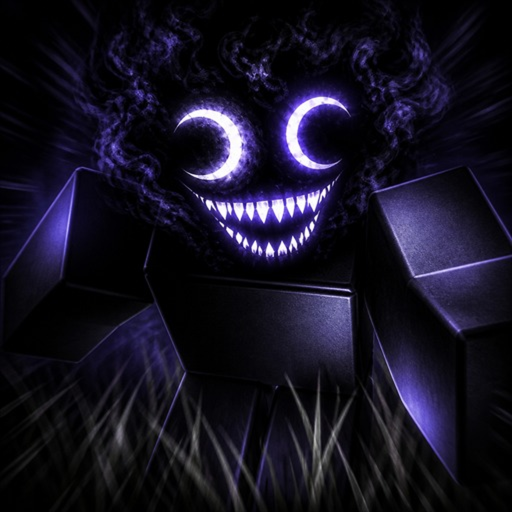
DONT LOOK BACK Entities Guide
All known night threats, cues, and survival responses for Manul Studio's pre-alpha.

Night threats are the core of DONT LOOK BACK
In DONT LOOK BACK, each night brings a randomized set of threats — entities that hunt you across The Backrooms, Pine Woods, and Redwood Road. The day loop (loot scraps, complete objectives, sell, buy gear) exists to prepare you for whatever the night roll delivers. This page documents known entity types, their warning cues, and survival responses based on community reports and in-game observation.
This page does not invent a bestiary. Threat pools are randomized, behaviors shift during pre-alpha patches, and Manul Studio has not published an official monster roster. Use these community-observed patterns as vocabulary and preparation guides — not as immutable stats.
Prerequisites: Getting Started, Controls, Survive the Night. Apply with night prep.
How entities work in DONT LOOK BACK
Each night, the game selects a subset of threats from a larger pool. You do not face every entity every night — the randomization is the challenge. Different entities respond to different senses: sight, sound, and movement. Understanding which sense triggers each threat determines whether you hide, stay still, or run.
The game supports up to 22 players per session. More players mean more noise, more flashlights, and more randomized threat interest per player. In solo queues, entity attention concentrates on you alone.
Known entity categories (community-reported)
Proximity-based threats
These entities react when you get too close — either within a visual radius or an audio range. The warning is often a distinct sound cue or a visual tell before the aggressive phase begins. Move slowly and listen before crossing open ground.
Sound-based threats
These entities lock onto loud noises — gunfire, sprinting, or impacts. Reducing movement noise and saving ammo for decisive moments helps. In Pine Woods, branches and leaves amplify audio; factor that into route choices.
Vision-based threats
These entities track line-of-sight. Breaking line of sight by ducking behind cover, using terrain features, or cutting lights can interrupt their targeting. Flashlight discipline matters here — beam control prevents you from painting yourself as the brightest target in a room.
Ambush entities
Some reported entities favor closed spaces, choke points, or areas that look safe. corridors in The Backrooms are common ambush territory. Always check corners before committing to a route, especially during dusk transitions.
Survival framework by entity type
When you hear a distinct audio cue
Pause and localize the source. Do not sprint toward it or away without reading the space first. In The Backrooms, sound bounces unpredictably — what sounds close may be two rooms away. On Pine Woods, natural acoustics carry farther but also distort direction.
When you see a visual tell
A glowing effect, shadow movement, or environmental change (lights flickering, objects shifting) often precedes an entity becoming aggressive. Treat these as the start of the threat window, not as the threat itself. Use that half-second to choose hold or flee.
When you feel the night go quiet
Some entities suppress ambient sound before striking. If normal forest noise or Backrooms hum drops suddenly, treat that silence as a warning and reassess your position before assuming the night is clear.
Map-specific entity notes
The Backrooms
Indoor corridors amplify audio and compress sightlines. Entities that rely on vision can still track you through repeated doorways. Entities that rely on sound create echo confusion. Stronger Flashlight (49 Robux) helps confirm what you are looking at before committing to a route. See full guide: The Backrooms.
Pine Woods
Forest terrain spreads entities across vertical space. Audio-based threats benefit from open sky and branch noise. Vision-based threats may have harder time tracking between tree lines. Stamina Boost (79) helps when a kiting route requires long rotates. See full guide: Pine Woods.
Redwood Road
Open roadside terrain gives entities long sightlines and fast approach angles. Fighting from a ditch or behind roadside cover works when you have a stable angle. Open-road sprinting with a vision-based entity nearby is high risk. See full guide: Redwood Road.
Loadout considerations against entities
Stronger Flashlight (49 Robux) — Confirm entity type before reacting. In dark interiors, a quick sweep prevents walking into an ambush. Light discipline (pulse, do not hold) prevents drawing attention from vision-based threats.
Stamina Boost (79) — Kiting requires sustained movement. Stamina lets you reposition after a failed engage or break LOS when a proximity threat closes in.
Peacemaker (249), M16A4 (399), Barrett M82 (599) — Weapon choice affects how you contest versus avoid. Peacemaker suits controlled panic-button use. M16A4 gives flexible sustained fire. Barrett enables long-range picks where sightlines exist. See weapons tiers and pass tiers.
+2 Hotbar Slots (129) — Keeping flashlight, primary, and utility in quick-access slots prevents menu fumbles when an entity appears unexpectedly.
Team response to entities
With up to 22 players, callouts help. Short, specific callouts beat long descriptions:
- “Proximity, north corridor” — alerts teammates without wasting airtime
- “Sound trigger, holding” — signals you are staying still to avoid audio detection
- “Clear left, moving” — confirms a zone is safe for rotation
Do not stack flashlights on one doorway. Six beams pointing at one entity is a coordinated beacon that helps the threat more than the team. Spread lighting to minimize individual exposure.
Cooldown and recovery
After a night encounter, dawn brings a reset window. Use it to:
- Sell remaining scraps before they become lost-bag risk
- Re-assess gear purchases based on what the last night threatened
- Re-examine the night prep checklist for any habits that failed
- Do not over-buy after one bad night — wait for pattern recognition before spending Robux on new passes
Scrap Insurance (179) and Recover Lost Items (59) soften death taxes but do not replace learning entity patterns.
Source integrity note
No official entity roster exists yet for this pre-alpha title. The categories above reflect community-reported patterns gathered from in-game observation and public guides. They are not verified by Manul Studio. Expect additions, removals, and behavior changes as the game evolves through August 2026 and beyond.
Do not treat any single YouTube guide or Discord screenshot as authoritative. Cross-reference with in-game experience and check the Updates Hub after patches that touch threat behavior.
Related pages
- Survive the Night — avoid vs fight decision tree
- Night Prep — pre-night checklist
- Players Hub — stealth vs fighter response styles
- Tier List Hub — provisional gear rankings
- Updates Hub — patch-aware entity behavior changes
- Links Hub — official game and creator group links
The entities are not the enemy — failing to prepare for them is. Treat dawn as the only real victory condition, and let entity knowledge compound across sessions rather than chasing highlight clips.
FAQ
Are there really 10 different entities?
Public guides and videos discuss approximately 10 distinct entity types or threat patterns. The exact count and naming may shift during pre-alpha development.
Do entities appear on every map?
Night threat pools are randomized. Some entities may favor certain map characteristics (closed corridors versus open roads), but the game does not guarantee a fixed roster per session.
Can I disable or skip night entities?
No. Night survival is the core challenge loop. No verified codes or scripts disable entities. Claims of god-mode or entity-skip executors are unverified and carry account risk — see Scripts Hub and safety.
Do entities change after updates?
Pre-alpha means behaviors can shift. Check Updates and Pre-Alpha Status after noticeable patches. Community-reported patterns may become outdated quickly.
Should I fight every entity I see?
No. Choose fights based on your loadout, position, and whether engaging creates more risk than breaking line of sight. Stealth players prefer avoidance; fighters choose angles. Both approaches have valid moments.
Frequently Asked Questions
Quick answers for DONT LOOK BACK players.
How many entities are in DONT LOOK BACK?
Community reports suggest approximately 10 distinct entity types or threat patterns, but the exact roster is not officially confirmed and may change during pre-alpha.
Do entities only appear at night?
Yes. The day phase is for looting and preparing. Night is when the randomized threat set activates across all three maps.
Are entity stats officially published?
No verified official roster exists. Use community-reported patterns as preparation guides, not as immutable game data.
Can I use scripts to see entities through walls?
No verified entity-revealing scripts are listed here. Executors carry account risk and often break after pre-alpha patches. Play fair.
Do entities behave differently on each map?
Map geometry (interior corridors, forest terrain, open roads) affects how entity types perform. Audio-based threats feel different on Pine Woods versus The Backrooms.
Should I buy game passes specifically to counter entities?
Stronger Flashlight and Stamina Boost help most entity encounters. Weapon passes matter for fighters who choose to contest. Utilities usually outperform raw damage for survival.